


If you’ve ever been on site during a live event, you’ll know that things rarely play out exactly as planned. It’s not usually anything dramatic, just small shifts that start to add up. The entrance gets busier than expected or a vehicle needs access sooner than planned. A route that looked clear during planning starts to feel a bit tight once people arrive and the space fills up.
None of that means the plan was wrong. It just means the environment has changed, and that’s where adaptability starts to matter.
One of the challenges with more fixed approaches to hostile vehicle mitigation is that they don’t always leave much room to respond. A layout might work perfectly on paper, but once it’s in place, even small adjustments can become difficult. Moving barriers takes time, opening up access isn’t straightforward, and suddenly a simple change has a knock-on effect across the site.
You can feel it when that happens. Teams are working around the setup rather than with it.
What we’re seeing more of now is a shift towards systems that allow a bit more flexibility. Not because plans are less thought through, but because people recognise that live environments need a bit of give in them. Being able to reposition barriers, adjust layouts, or temporarily open up a route without disrupting everything else makes a real difference on the ground.
It gives teams more control, and usually makes the whole operation feel calmer and more manageable.
A good example of this is how roads and access points are handled during an event. There are often moments where a route needs to open, whether that’s for emergency access, scheduled vehicle movement, or something that simply wasn’t anticipated. When that process is slow or complicated, it creates pressure straight away. Everything has to pause while the situation is managed.
When it’s been designed properly, it feels very different. Routes can be opened and closed quickly, safely, and without disrupting the wider flow of the site. It becomes part of the rhythm of the day rather than a problem to solve.
That kind of flexibility doesn’t start on the day itself, it starts in the planning.If you know your HVM can be moved and adjusted, you approach the layout differently. You’re not trying to lock everything into a single fixed position. You can think about how the site might evolve, where pressure points might emerge, and how you might respond if they do.
Tools like Protect-PA help support that thinking, giving teams a way to test different scenarios and understand how changes might play out before anything is physically in place.
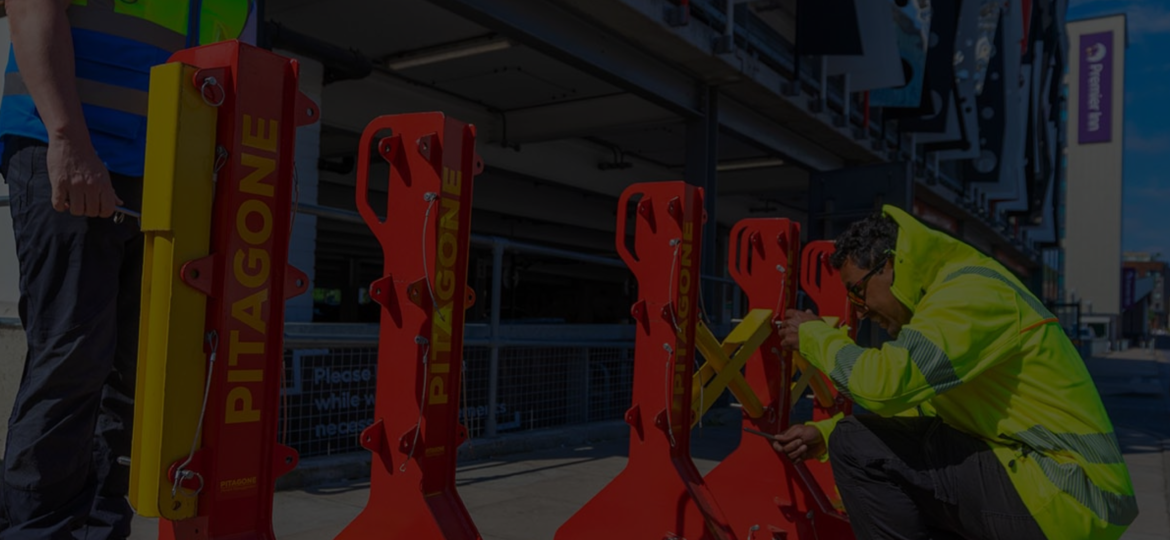
At Pitagone, that’s very much how we approach things. Our systems are designed to be set up quickly and repositioned easily, so they can adapt alongside the site rather than working against it. It means you’re not locked into a plan that only works if everything stays exactly as expected, which, in reality, it rarely does.
If you’re planning an event or managing a public space, it’s worth taking a step back and asking how your current setup would handle change.If something needed to shift during the day, how easy would it be to respond?
If the answer feels a bit uncertain, it might be a sign that a more adaptable approach would make things easier, not just from a safety point of view, but from an operational one as well.
Our team works closely with organisers and local authorities to shape solutions that work in real conditions, not just on paper. If you’d like to talk through your plans or sense-check your current setup, we’re always happy to have a conversation.